Transforming By-Products into High-Value Sustainable Solutions

In a world increasingly focused on sustainability, the challenge of waste management has never been more pressing. Every year, industries generate millions of tons of by-products that often end up in landfills, contributing to environmental degradation. However, innovative thinkers are finding ways to transform these by-products into high-value sustainable solutions. This blog post explores the potential of by-products, the methods of transformation, and real-world examples that showcase the benefits of this approach.
Understanding By-Products
By-products are secondary products generated during the manufacturing or processing of a primary product. They can be organic or inorganic and vary widely in their composition and potential uses. For instance, in the food industry, by-products such as fruit peels, seeds, and pulp are often discarded, despite their nutritional value.
The Environmental Impact of By-Products
The disposal of by-products can lead to significant environmental issues, including:
Landfill Overflow: As more waste accumulates, landfills become overcrowded, leading to soil and water contamination.
Greenhouse Gas Emissions: Decomposing organic waste in landfills produces methane, a potent greenhouse gas.
Resource Wastage: Valuable materials are lost when by-products are not utilized effectively.
The Case for Transformation
Transforming by-products into high-value products not only mitigates waste but also creates new economic opportunities. This process can lead to:
Cost Savings: Utilizing by-products can reduce raw material costs for manufacturers.
New Revenue Streams: Companies can sell transformed by-products, creating additional income.
Enhanced Brand Image: Businesses that prioritize sustainability often enjoy a positive public perception.
Methods of Transformation
There are several innovative methods to convert by-products into valuable products. Here are some of the most effective approaches:
1. Upcycling
Upcycling involves repurposing waste materials into new products of higher quality or value. For example, coffee grounds can be transformed into biodegradable packaging or natural exfoliants.
2. Bioconversion
Bioconversion uses microorganisms to convert organic waste into useful products. This method is commonly used in the production of biofuels, where agricultural residues are fermented to create ethanol.
3. Chemical Transformation
Chemical processes can alter the composition of by-products to create new materials. For instance, waste plastics can be chemically recycled into new plastic products, reducing the need for virgin materials.
4. Composting
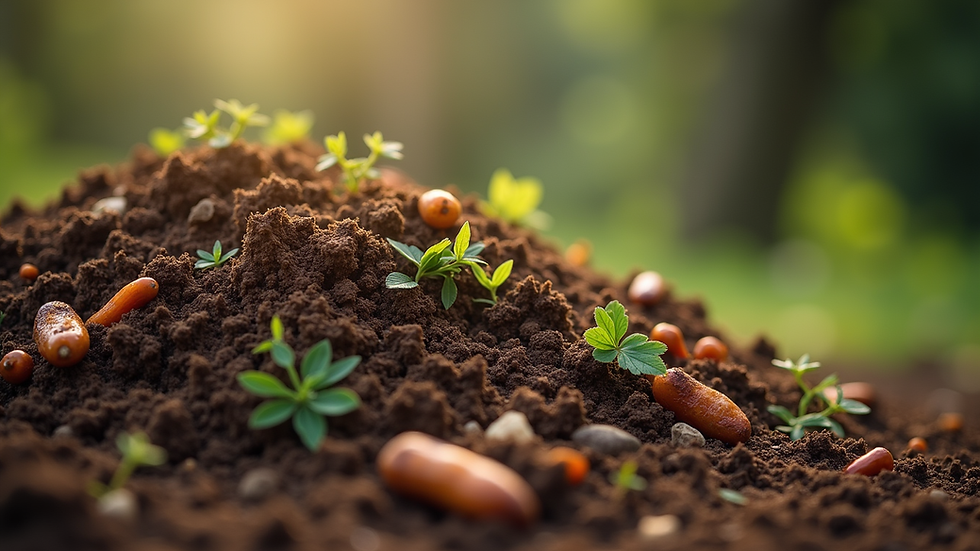
Organic by-products can be composted to create nutrient-rich soil amendments. This process not only diverts waste from landfills but also supports sustainable agriculture.
Real-World Examples
Several companies and organizations are leading the way in transforming by-products into sustainable solutions. Here are a few notable examples:
1. Food and Beverage Industry
BrewDog, a craft beer company, has developed a process to use surplus bread in their brewing process. This not only reduces food waste but also creates a unique flavor profile for their beer.
2. Agriculture
AgriProtein is a company that converts food waste into high-protein animal feed using black soldier flies. This innovative approach not only addresses waste management but also provides a sustainable protein source for livestock.
3. Textile Industry
Re:newcell has created a process to recycle cotton textiles into new fibers. Their method transforms discarded clothing into a pulp that can be used to produce new garments, significantly reducing textile waste.
Challenges in Transformation
While the potential for transforming by-products is vast, several challenges remain:
Economic Viability: The initial investment in technology and processes can be high, making it difficult for small businesses to adopt these methods.
Regulatory Hurdles: Compliance with environmental regulations can complicate the transformation process.
Market Acceptance: Consumers may be hesitant to accept products made from by-products, requiring education and marketing efforts.
The Future of By-Product Transformation
The future of transforming by-products into high-value sustainable solutions looks promising. As technology advances and awareness of sustainability grows, more companies are likely to explore these opportunities.
Innovations on the Horizon
Emerging technologies, such as artificial intelligence and biotechnology, are paving the way for more efficient transformation processes. For example, AI can optimize the sorting and processing of waste materials, improving the overall efficiency of by-product transformation.
The Role of Policy
Government policies can play a crucial role in promoting by-product transformation. Incentives for companies that adopt sustainable practices can encourage more businesses to invest in these solutions.
Conclusion
Transforming by-products into high-value sustainable solutions is not just an environmental necessity; it is an economic opportunity. By embracing innovative methods and overcoming challenges, industries can turn waste into wealth. As consumers become more conscious of sustainability, businesses that lead in this area will not only contribute to a healthier planet but also enhance their market position. The journey towards a sustainable future begins with recognizing the value in what we often consider waste.
By taking action today, we can create a more sustainable tomorrow. What steps will you take to support the transformation of by-products in your industry?


Comments